Table Of Content

Without a proper plan, it can be challenging to figure out the right number and sizes of materials needed. Furthermore, a comprehensive plan can help prevent construction errors that may compromise the integrity of your roof or cause other potential problems. Precise calculations must be made to ensure all sides are similar in length and meet at a common point at the top. The process involves designing the roof’s layout, cutting the rafters and assembling them accurately. Thanks to an intuitive interface, it’s simple to add roofing to your house layouts. The roof editor can be accessed in a tab of the editor’s main menu, where you can select the type of roof — gable, single slope, multi-slope, or flat roof — you wish to draw.
What is the most attractive roof pitch?
Hip roofs leak because they have more seams than other roof styles, like gable or gambrel. The more seams there are in a roof, the more chances for leaks. Making sure your roof is fastened and flashed correctly is the number one way to prevent leaks. Inspect your roof yearly or after major storms to check for damage.
Hip Roof Styles
A cross-hip roof type is another popular style that’s laid out over L-shaped structures in a perpendicular manner. The seam forms the cross-hipped roof and the two sections join at the end to create a valley. Also referred to as jerkinhead or clipped gables, the half-hipped roofs have two short sides that form eaves.
What Is Hip Roof?
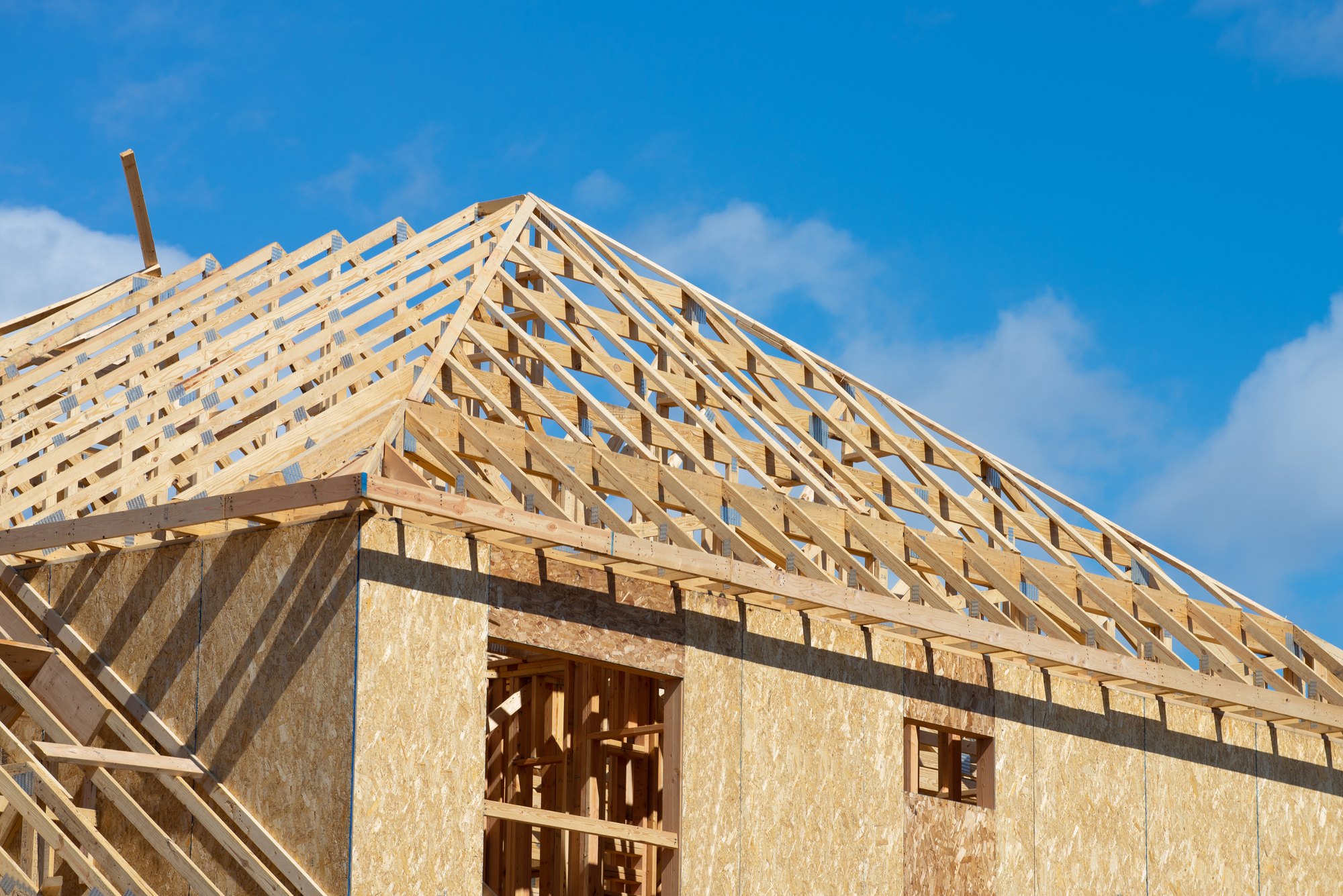
If a roof slopes on one, or a few sides, but still has at least one vertical face, then it is not considered a hip roof. The hip roof gets its name from the "hip" angle at which adjacent sides of the roof meet. There are several advantages to choosing a hip roof, depending on where a structure is located, but the choice to build with a hip roof design takes careful consideration. A hip roof, also known as a hipped roof, is characterized by all sides sloping downwards towards the walls.
Georgian Hip Roof Mansion
Uncover the perfect fusion of style, functionality, and elegance to elevate your home into a masterpiece of modern architecture. We encourage you to consider hip roof design for your home or any future construction projects. Not only will it add a unique architectural element to your property, but it also offers excellent weather resistance and durability, making it a good investment in the long run. Once your hip roof frame is ready, the next step in hip roof construction is installing the roof sheathing. The roof sheathing, sometimes referred to as decking, provides a flat, solid surface onto which roofing materials can be attached.
Hip Roof Guide: Common Types, Advantages, and Examples
Hip roof construction kits can make the process easier, and the guidance of experienced builders should be sought. Hip roof styles are considered as the best choice for covering sheds that have horizon type structures. Experts say that this hip roof shed pays the best returns for coastal, as well as windy locations and also provides a very appealing look to property. An inclined hip roof comprises four sloping sides, with two sides featuring steeper angles and the other two boasting shallower slopes. This design is commonly employed in regions with heavy snowfall or rainfall, as the steep angles aid in preventing water or snow accumulation. The gabled hip roof, also known as a Dutch gable, combines the classic gable roof with a hip roof.
What are the benefits of a hip roof?
Architects and homeowners may choose hip roofs for their curb appeal and functionality. Hip roofs offer an elegant design, wind resistance, and other benefits. This wall has a very eclectic touch with half of its walls comprised of river stones while the other part is painted a dark crimson. Overall, the house looks like a place where a lover of art can go and get some inspiration.
Typical roof shapes for single-family houses
The very design of this roof contributes to its strength and longevity. With its four sloping sides, the roof hips distribute weight evenly. This makes this roofing style better equipped to handle the stresses of varying weather conditions and the passage of time. The structural integrity translates into a roof that requires less frequent repairs and maintenance.
The 5 Types of Hipped Roofs
The construction of a hip roof can be more difficult than other roof types due to the additional framing required for the multiple slopes. Hip and valley roofs have multiple sections of hip roofs that meet and form valleys. A traditional hip roof has four sides that meet a peak or ridge, depending on the shape of the house.
They generally cost more than gable roofs, which cost an estimated $7,000–$20,000. The full cost differs based on the complexity, pitch, roofing materials, and size. A hip roof or a hipped roof is a style of roofing that slopes downwards from all sides to the walls and hence has no vertical sides. The hip roof is the most commonly used roof style in North America, after the gabled roof.
cut-out triangular roof frames extensive panoramas of rural japan - Designboom
cut-out triangular roof frames extensive panoramas of rural japan.
Posted: Tue, 29 Nov 2022 08:00:00 GMT [source]
This design minimizes the chances of wind getting under the roof and causing damage. Whether you’re in a windy coastal region or an area prone to storms, a hip roof has your home covered. Some styles mimic a pyramid shape, while others are a mixture of hip roofs with other types like a gable. A hip roof, also called a hipped roof, slopes down to the walls on all sides and has no straight sides. After the gabled roof, the hip roof is North America’s most popular type.

Replacing your roof is one of the biggest home improvement projects you’re ever likely to do, so you’ll want to ensure you get it right. When deciding on the wood framing of the new roof, a hip roof style is the most popular choice because of its modern and highly durable design. There are several ways to make a hip roof, but in general they come down to two basic shapes. To cover a square building, four triangle-shaped sections meet at a single point in the center of the structure, just like a pyramid. Constructing a hip roof is a difficult process which should be undertaken by a professional. The process includes taking proper measurements, cutting materials, and assembling the roof from ridge boards, standard rafters, hip rafters, and jack rafters.
Gable roofs, on the other hand, have only two triangle-shaped slopes that span from the peak of its ridge down to the bottom of the roof’s eaves. The main disadvantage of a hip roof design is its cost, which can be 35 to 40 percent higher than a gable roof. To build and shingle a hip roof, costs can range from $33,600 to $67,200, whereas gable roofs are between $24,000 and $48,000. There are many things to consider when deciding between a hip and a gable roof. Most of the time, gable roofs are cheaper, easier to build, and require less material. However, gable roofs aren’t as strong as hipped roofs, so using them in places with hurricanes or gales is not a good idea.
Both hip roofs and gable roofs are popular roofing styles that can protect your home and give your property a beautiful aesthetic. Hipped roofs offer benefits such as wind resistance, ease of construction, and durability. There are many hipped roof styles you can choose to fit the needs of your home and style, and many buildings include elements of both hip and gable roof types. A hip roof, characterized by its four-sided structure and pyramid-like shape, provides exceptional stability, efficient water drainage, and additional attic space.




No comments:
Post a Comment